Don’t let the stereotype turn you off. There’s a reason many people hesitates to cook catfish: they worry about a muddy flavor, a pungent smell, or a texture that’s too firm. Right?
Wrong! Catfish is one of most versitile fishes on the dinner plate. It bake wonderfully, fries well and is a great protein to use at home.
What’s hiding just under surface that keeps so many folks from enjoying it? It is preparation. And no, that doesn’t mean dumping a fillet into a hot pan and hoping for the best.
What happens beforehand make all the difference between pond-water tasting catfish and some good ol’ down-home comfort food. It’s not rocket science, but it does require an appreciation for ingredient. It take a bit more time on the counter and in sink.
The result is tender, sweet, and mild. You’re looking to get most out of the natural flavor of meat and lessen any earthy notes. Mastering this rhythm of soak, clean, season, and you’ll never again return to raw, unseasoned fillets.
It takes minimal work. The payoff is substantial. Removing skin is the first step.
How To Prep Catfish Before Cooking
Remove Skin and Bloodlines
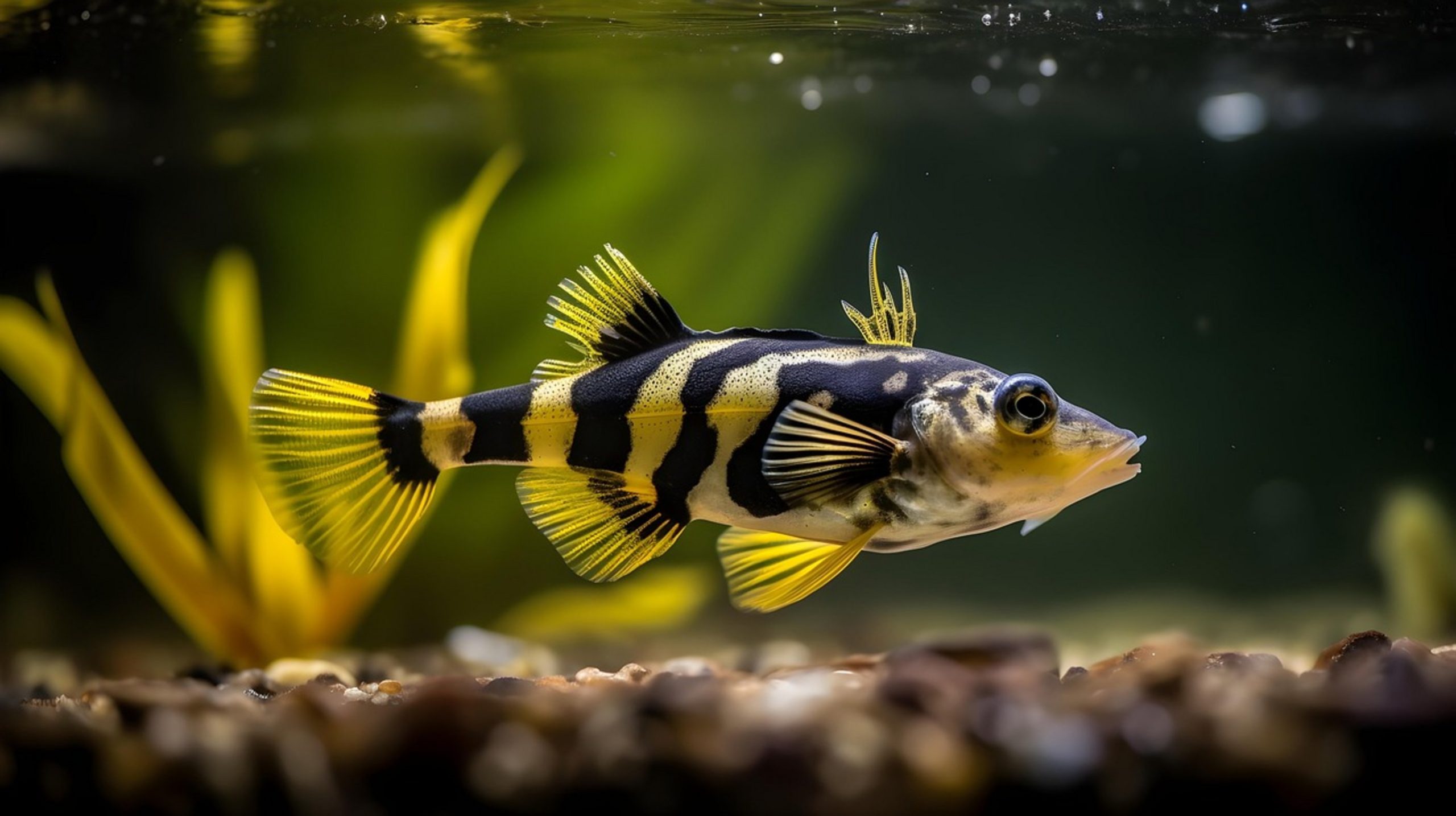
Catfish skin is tough and rubbery; it doesn’t crisp up like salmon skin. It has a tendency to get all chewy and curl up. More significantly, it hold a huge amount of muddy flavor that turns so many people off to catfish.
Lay the fillet out skin side down on a cutting board. With a fillet knife (I use a chef’s knife) cut very shallowly from underneath the skin and slide tip under the flesh. Anchor the skin in place with your fingers or a damp piece of paper towel.
Push the knife forward. The meat should comes loose easily. Be careful to remove any dark lines running along the edges too.
Those are just blood vessels that will give fish a metallic taste. Removing this take very little time but it dramatically alters the textural experience. The fish lightens up and improves itself.
Soak in Milk or Lemon Juice
Now it’s time to tackle the inside. Where does a catfish live? In mud.
That mud gets into its flesh. And how do we solve that? Soak it.
How do we soak it? Milk is the old standby. Place the fillets in a shallow pan with whole milk and let them soak for at least half an hour and up to an hour.
The milk’s casein proteins latches onto those nasty compounds responsible for earthiness. Again: this isn’t some made-up thing. It’s science that’s gonna work for ya.
Don’t have milk on hand? Try soaking them in a mixture of lemon juice and water instead. Because of the acid content, that’ll help reduce any lingering odors.
However, you only want to soak them for an hour, or they’ll start breaking down the tissue and affecting texture. We’re trying to remove the odor without dissolving anything. For best results, this one’s non-negotiable.
Dry Fillets Before Cooking
The final thing is that soaking and then drying are both equally important. Don’t let it touch pan until it’s dry. A wet fish doesn’t sear; it steams.
Get all the water off those fillets by patting them really well on some paper towels. When they’re done, they should be slightly tacky to the touch. Not wet at all.
There should be no drops. Why? You must do this to make sure the pan gets hot enough to form a crust around your fish and to make sure seasoning sticks.
Otherwise, your fish will be bland on the inside and soggy on the outside, which we don’t want. The great part of cooked fish is contrast: moist inside and crispy outside. But there can be no contrast if outside is wet.
Season with Simple Spices
So take drying seriously (as seriously as you do the cooking). It is time to season. Simple is good here.
Catfish is mild and can easily be overpowered by other flavors. Salt and black pepper are all you need. They highlights the sweet nature of the meat.
A small amount of paprika or even some garlic powder will add more depth. No thick wet marinade now. The milk soak was to neutralize earthy flavors.
Dry rubs are superior here as well, since they stick to the dried flesh. Seasoned fillets should of been allowed to rest ten minutes to let salt begin to penetrate. This also give the spices time to bloom.
Don’t skimp on this last wait. It’s your last opportunity to affect the taste before the heat transform it.
Pan Fry or Bake Catfish
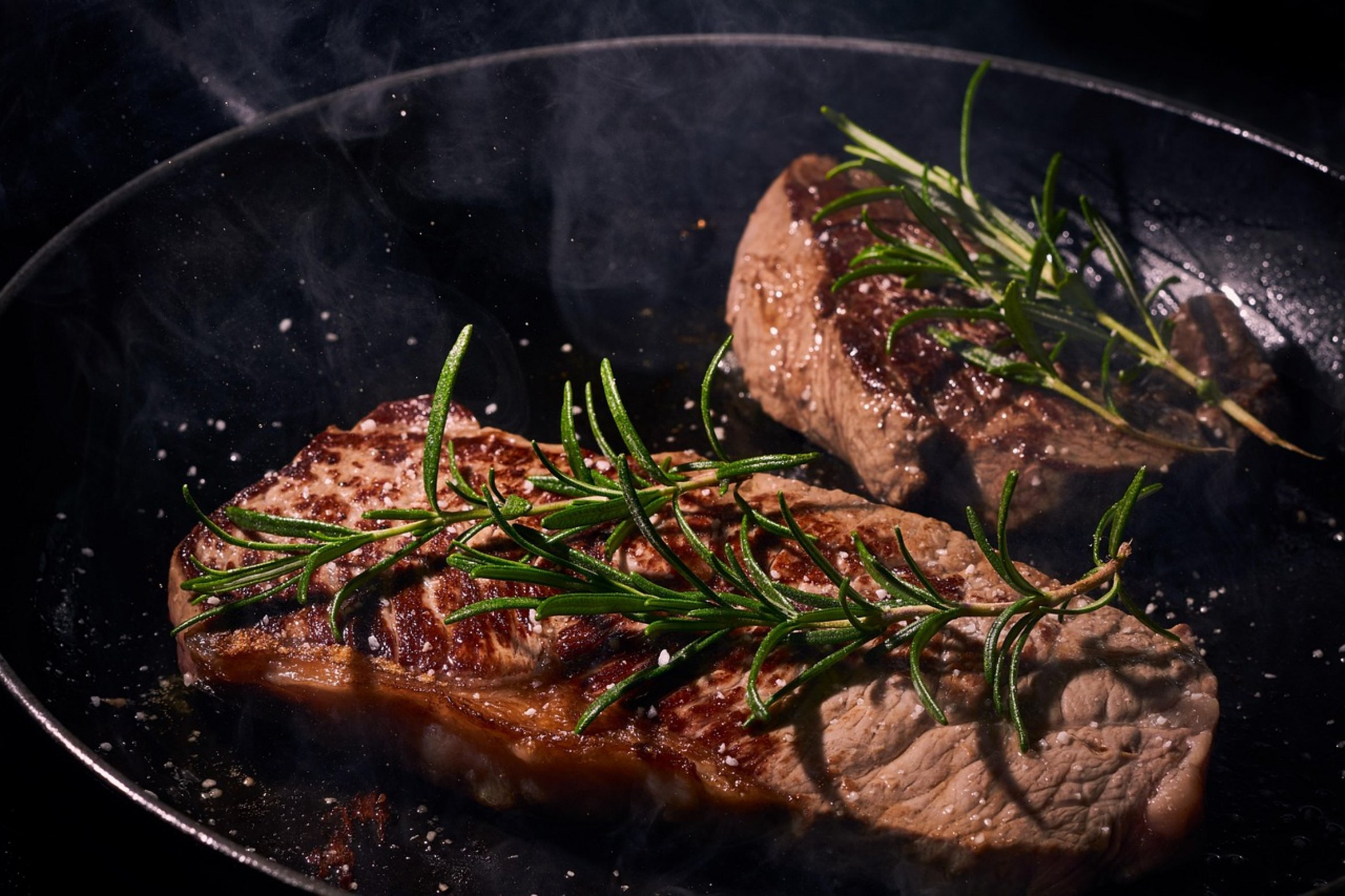
Finally, check the temperature of whatever you’re using to cook with.
Use heavy stainless steel or cast iron for pan frying. It must be hot enough that a bead of water dropped on it would sizzle immediately and dissapears right away. The oil will be shimmering, but no smoking.
Gently place the catfish in the pan, taking care not to crowd it. Give each fillet some room so it can brown up nicely. For baking, line your pan with parchment paper to keep it from sticking.
By now, all the hard work was accomplished during preparation time. It’s time to do what we came here to do, cook. Have faith in the plan.
It is sweet and clean. There is no mud. Only the taste is left behind.