If you’ve lost a big one in muddy water as an angler, then I’m sure you have been frustrated with that situation. It is not because of loss of fish, but because of failure to complete deal at critical moment. And that’s what anglers hate.
How To Catch And Keep Flathead Catfish
Understanding Flathead Catfish Behavior
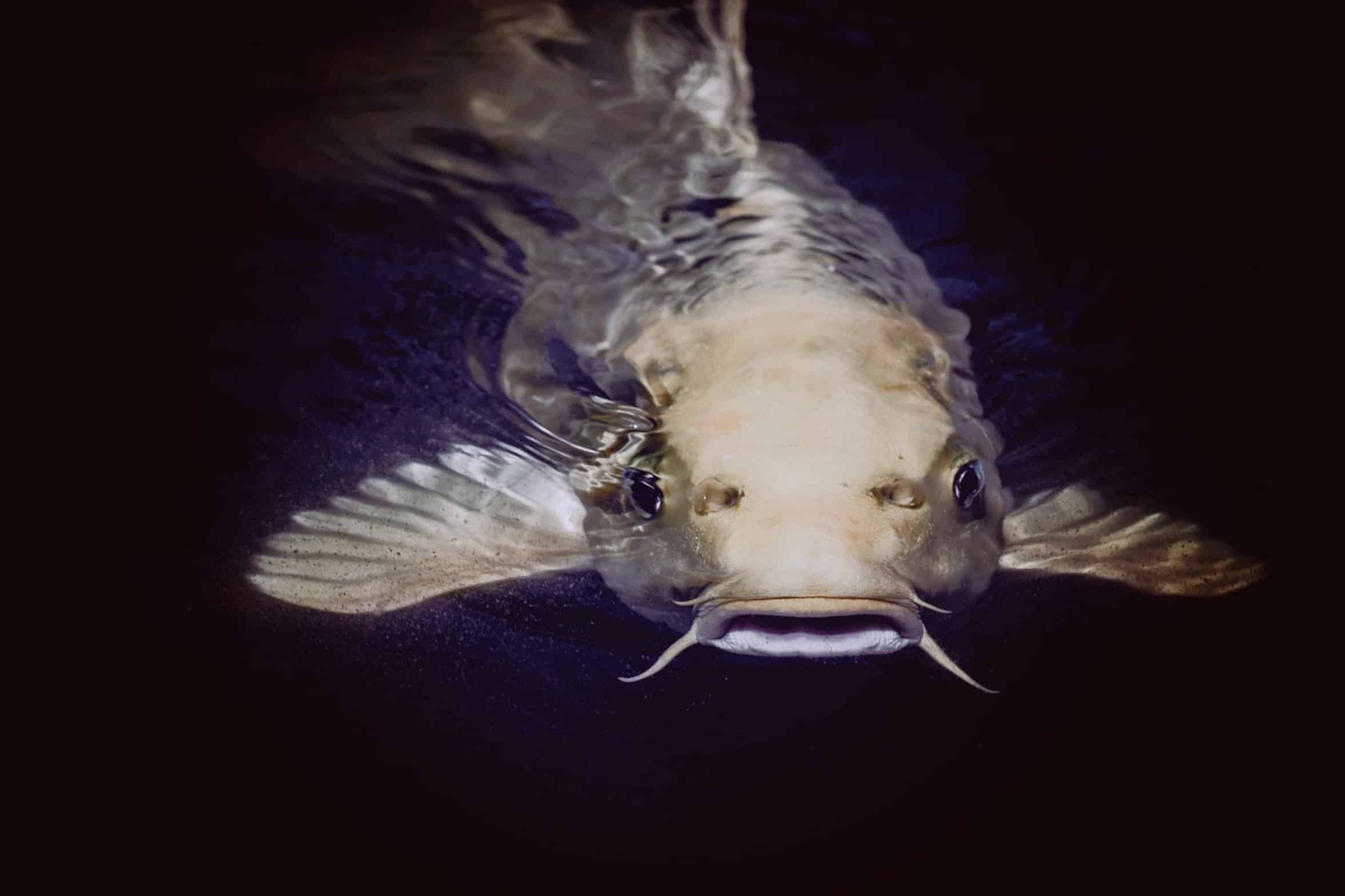
Flathead catfish are notorious for doing this. Flatheads don’t fight like trout or bass. They take shock of being hooked and turn their heads back into heavy cover or silt.
They digs out. A lot of times, if you are set up to catch many fish instead of high-quality ones, you will lose them every time. You aren’t there to count fish.
You’re there to get one home breathing and alive. A lot of people will flat fish with the same tackle as they would for bullhead or maybe even channel catfish. That’s a huge mistake right from the start.
Flatheads spend their lives around hard objects. They don’t wait for opportunities like a channel catfish does; instead, they ambush other prey. They need to be fished differently than before.
They require different lures, they requires different tackle, and most importantly, they require a totally different mental approach. It’s time to put down your volume mentality and accept the precise. It’s no longer about getting bit, it’s about surviving.
Essential Rod and Reel Setup
Before you even make a cast, the battle starts. Your choice of rod and reel determines what you can do on the water. A heavy or medium heavy action baitcasting or spinning rod will be your ticket as you’ll want one that has some nice backbone for fighting big flathead catfish, yet can still have some give to it so you can absorbs violent head shakes.
Use a reel that has a high capacity and a smooth drag. Don’t think of the drag only in terms off safety. It’s your main weapon to maintain a good hook set.
If your drag grinds or seizes up, the fish will know something isn’t right. A free spooling drag lets them pull off without any danger of building pressure on line. This prevents the fish from panicking and throwing the hook.
Choosing the Right Fishing Line
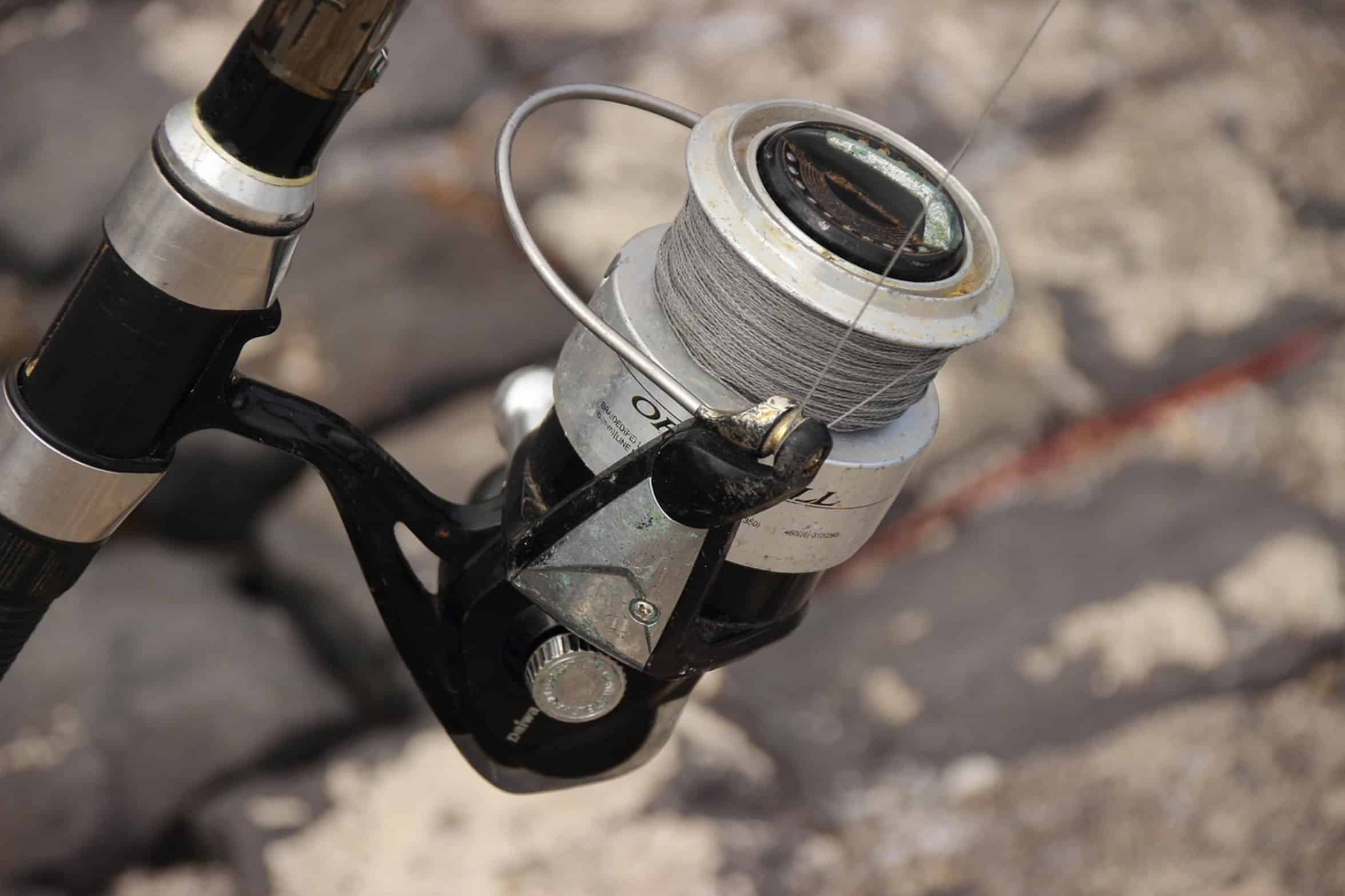
Most amateur efforts fall short on line selection, which brings us to the braid. Braided line has all the strength and sensitivity but no stretch. When flathead inhale your bait, they quickly bury themselves in rock or wood.
This is a recipe for disaster if you don’t have some stretch. The shock absorbing qualities of a mono or fluorocarbon leader will give your hook an opportunity to drive into their thick, cartilaginous lips before the fish spits out the hook. Use at least 30-50 pound test braided main line and a stout fluorocarbon leader.
You’ll enjoy the sensitivity coupled with the cushion.
Selecting Effective Bait Options
Live bait is king for flatheads as they are visual predators that prey on other fish. They will instinctively go after a live shad, bluegill or smaller catfish.
Dead bait can’t mimic this action. The size and aggressiveness of the fish you attract comes down to what type of bait you’re using. Letting your bait swim and presenting it naturaly is key.
If it’s alive, don’t rig it too tight, or it might die or move around strangely. The fish has to see a meal not a plastic toy. If you’re using cut bait, large chunks of fresh skipjack tuna or mackerel work well.
The blood trail attracts them from a distance but live bait keeps them there long enough for a good hook set.
Mastering Hook Setting and Fighting
Setting the hook is no easy task, as it takes a combination of brute force and some pretty good timing. When the bite comes, don’t rip your rod tip all over the place.
Instead, you have to wait until the fish has swallowed the bait, turned, and the line goes tight and steady. At that time, simply strip the line in sharply and firmly two or three times and hook will penetrate the hard lip tissue. After setting the hook, continue to hold steady and don’t allow the line to go slack.
When they surge forward, you want them to come off the bottom so the hook will penetrate. Then, just let the drag handle the fight while keeping tension on the fish. If your line gets slack, they will wrap themselves up in some sort of cover or give you an opportunity to throw the hook.
Flatheads will go down and stay down. They are a game of attrition, not speed when fighting. Don’t pull them vertical.
Guide them horizontally along the bottom. Hold the rod with just enough tension to put pressure on the fish, but not so much that the line snaps. And if the fish runs in under a brush pile or log, gently pump your line to keep him out of danger.
Patience is your best weapon at this point. Better a ten minute fight than a broken rod.
Landing and Releasing the Fish
The last step: Landing the fish in a net Most flatheads will be lost in the net.
A good landing net is critical. It should have a big, soft mesh so it doesn’t rip the protective slime coat off your fish. Harder nets will do that.
They can create a chance for infection or cause other stress on the fish. So keep your line tight and your rod tip up until the fish is inside your net. Don’t ease down on the fish too soon because that’s when you relax and lose ’em.
You should of prepared better. When the fish is inside your net, treat it gently. Keep your hands wet to maintain its slime coat.
If you are releasing it, always try to keep the fish in the water as long as possible. If it’s tired, hold it upright in the current and let it recover itself. That’s how you make sure the population remains strong.
You will recieve many more if you do. Flathead is a luxurius prize for any angler. It is much better then losing one to moddern gear mistakes.