When most anglers think of catfish fishing, they consider it a numbers game. They think if they just throw the nastiest smelling stuff out there, they’ll get a bite. I mean, those catfish has an awesome sense of smell; the stinkier it is, the better chance you’ve got at catching them.
While this holds some truth (especially with channel cats which will literally inhale just about anything in their path), it frequentally doesn’t hold true for bigger flathead or blue catfish. Flatheads and blues tends to be more finicky and will pass on smelly stuff that looks like it came from a chemistry set. Store bought stink baits has their place, but the issue is they are too soft and don’t resemble food as well.
Cut baits and commercial dough balls smell good, but sometimes wary fish doesn’t quite get the urge to attack. That’s where homemade baits fill the void; they offer powerful aroma along with something that looks and feels like real deal. You know exactly what went into it and can tailor your bait to match current forage and behavior of the fish.
Plus it costs a lot less money compared to purchasing secret blends that say they’re miraculous when in reality they’re just average. There is a surprising variety. You’d be surprised how many different ingredients can be founds in kitchen and make better baits then store-bought ones.
Effective catfish baits don’t have to include exotic proteins and spices. Simple pantry items such as live bait, eggs, bread and even corn meal are basis of some of the best mixing baits that hold up and slowly give off fragrance over time. These is baits that last longer than most when being used and leave a scent trail to lure fish from afar.
It’s all about presentation and patience. And let’s face it, smell. For selective catfish; particularly blues which are fond of swimming prey, a live option like minnows or shiners is still king.
Simple Kitchen Recipes for Effective Catfish Bait
Why Homemade Baits Beat Store-Bought
However, getting your live bait to stay on the hook long enough to reach its destination in front of a big one is often the problem. This can be remedied by a quick adjustment with some frozen shiner chunks or even ground baitfish. Place a couple pound of frozen shiners into a food processor and grind up until a paste form.
Frozen Shiner Paste Recipe
Add an egg white if desired or a little breadcrumb or catfish chum base for sticking power. The result will form a nice ball on a circle hook and have powerful scent of blood from the shiners that closely resembles a wounded minnow or other baitfish. Because their predatory nature instinctively compels them to attack anything bleeding or moving, this combination also lasts much longer then a live minnow would on the end of a hook.
The unsung hero of the catfish world, especially small- to medium-sized channel cats, is corn. It’s readily available, inexpensive, and downright tasty. Soaking your whole kernel corn in a solution of anise oil and water for 24 hours make it even better.
Anise Soaked Corn Technique
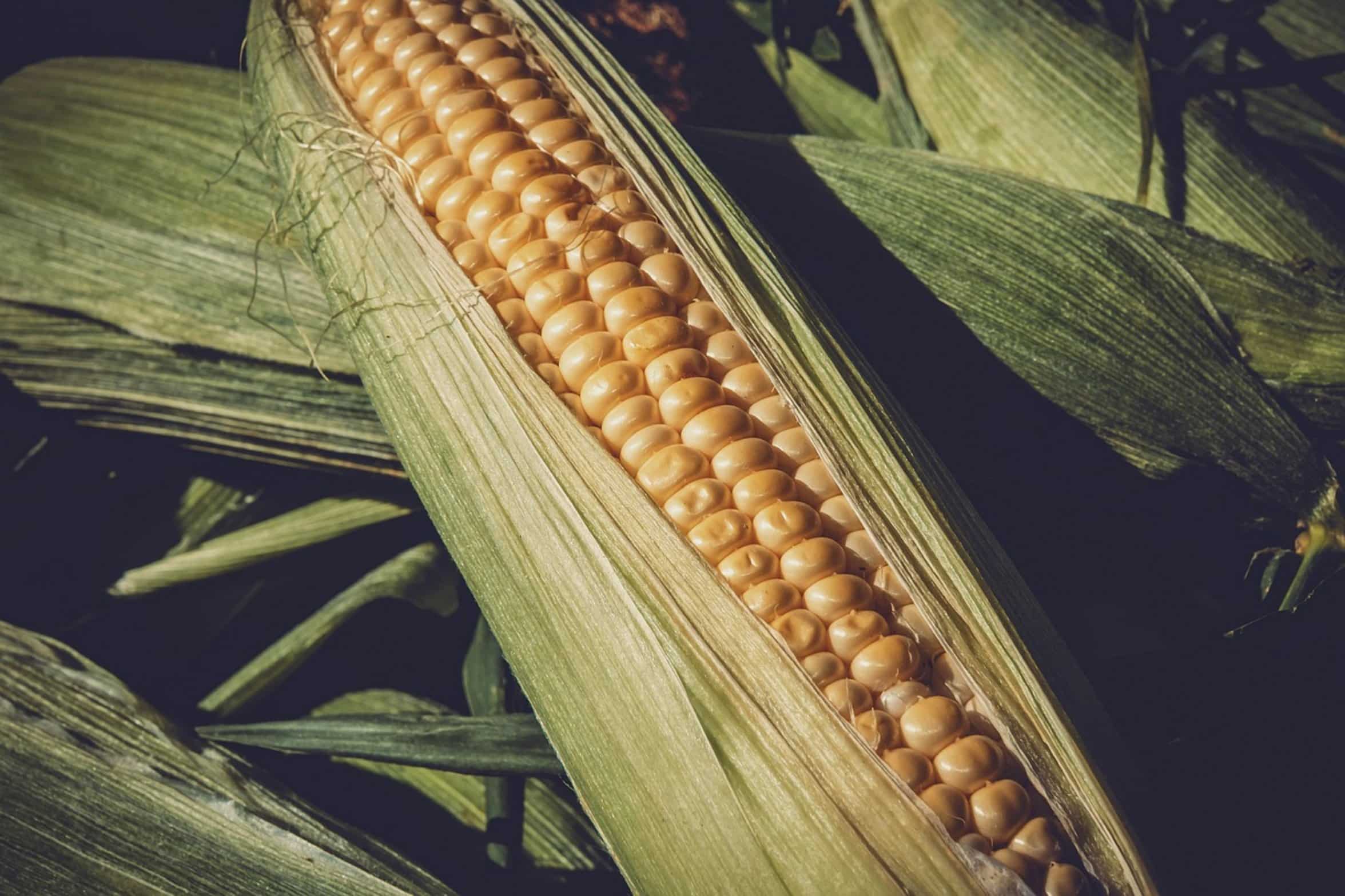
Anise oil soaks into the kernel, giving it a sweet, nutty smell that catfish find irresistible. Simply thread several kernels onto a hook with a wide gap, or a hair rig, to offer large target. Catfish can’t resist the sight of those shiny yellow kernels peeking out from beneath dirty water, and if you do it right, this will be a devastatingly effective tactic.
A little extra work goes a long way and you’ll be rewarded with better scent dispersion and hook retention with dough baits. Begin with a basic base of softened white bread, soaked in water and squeezed out until it is almost thick paste. Add two raw eggs, a generous amount of peanut butter, and a handful of garlic powder.
Peanut Butter and Egg Dough Bait
Peanut butter adds a large amount of scent (strong and lasts) and fat which stay in the water column longer. Eggs will binds the dough and provide additional protein. Garlic functions as powerful trigger for fish feeding reflexes.
Ball up or roll onto hook shank and hold together with a bait band. It holds up well to aggressive bites and can swim vigorously without tearing apart. This doesn’t necessarily mean buying pre-made stinky brick bait either.
A strong attractant can be made by fermenting corn or even bread. Get some dry corn or stale bread and place it in a sealed container along with a splash of rotten eggs or fish emulsion. Place the container in a warm area and let it go for several days.
Fermented Stink Bait Method
The odor and gases produced during the fermentation process are a strong draw for the channel catfish. The trick is getting it just enough where it smells bad to us but appealing to them. It’s a biological hack that takes advantage of their scavenger nature.
You’ll want to use it sparingly as a secondary attractant or chum to draw fish to your primary hook bait. To make it work, testing and consistency are the keys with any do-it-yourself bait. Scent preferences vary by body of water, so a good blend in one may not work well in another.
Record which scents you combine and when and where you use them. The amount of attractant versus the amount of scent carrier will also change depending off water clarity and temperatures. They’ll want a stronger, sweeter scent like peanut butter and corn in warmer water where metabolism is higher.
Adjusting Bait for Water Conditions
Lean more toward protein rich choices like liver or ground up baitfish in cooler waters. Be flexible. That’s your best tool.
A big part of fishing is not only what you throw but knowing where you are throwing it. What you use for bait is how you talk to them. You can take control of that conversation by mixing it yourself instead of using some generic solution like other guys do.
Your kitchen is your lab and the river is your test site. Mix up some of this stuff, see what happens and tweak it as you get more experience. When the day comes that you’re going to wet a line, you’ll have something made just for them.