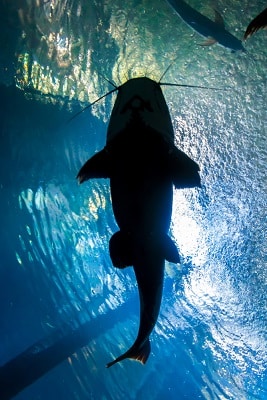
Fishing for catfish with a baitcast reel is frustrating. The line winds around itself until it forms a bird’s nest. As you set hook on a monster flathead, you see your reel spinning backwards.
The catfish feels the abrupt halt and shoots out into the current. There it goes as you gaze down at the mangled pile on the bank and think about the three hours you spent preparing this evening. It makes you think that baitcasters is reserved for bass anglers who cast little jigs.
What they don’t realize is they’re missing half of the picture. We tend to associate catfish fishing as being simple, heavy, and slow. The drag won’t slip under 50 pounds of pressure.
Check. Durability? Check.
It is a reel that doesn’t mind being stuck in the mud for an hour. Check. All these characteristics describes spinning reels well.
They’re robust and forgiving. However, when it comes to making most aggressive presentation or catching the biggest fish possible, spinning reels don’t have the line capacity nor the torque required. Baitcast reels give us another option.
Why Baitcast Reels Are Worth The Effort
Why Baitcasters Are Better for Catfish
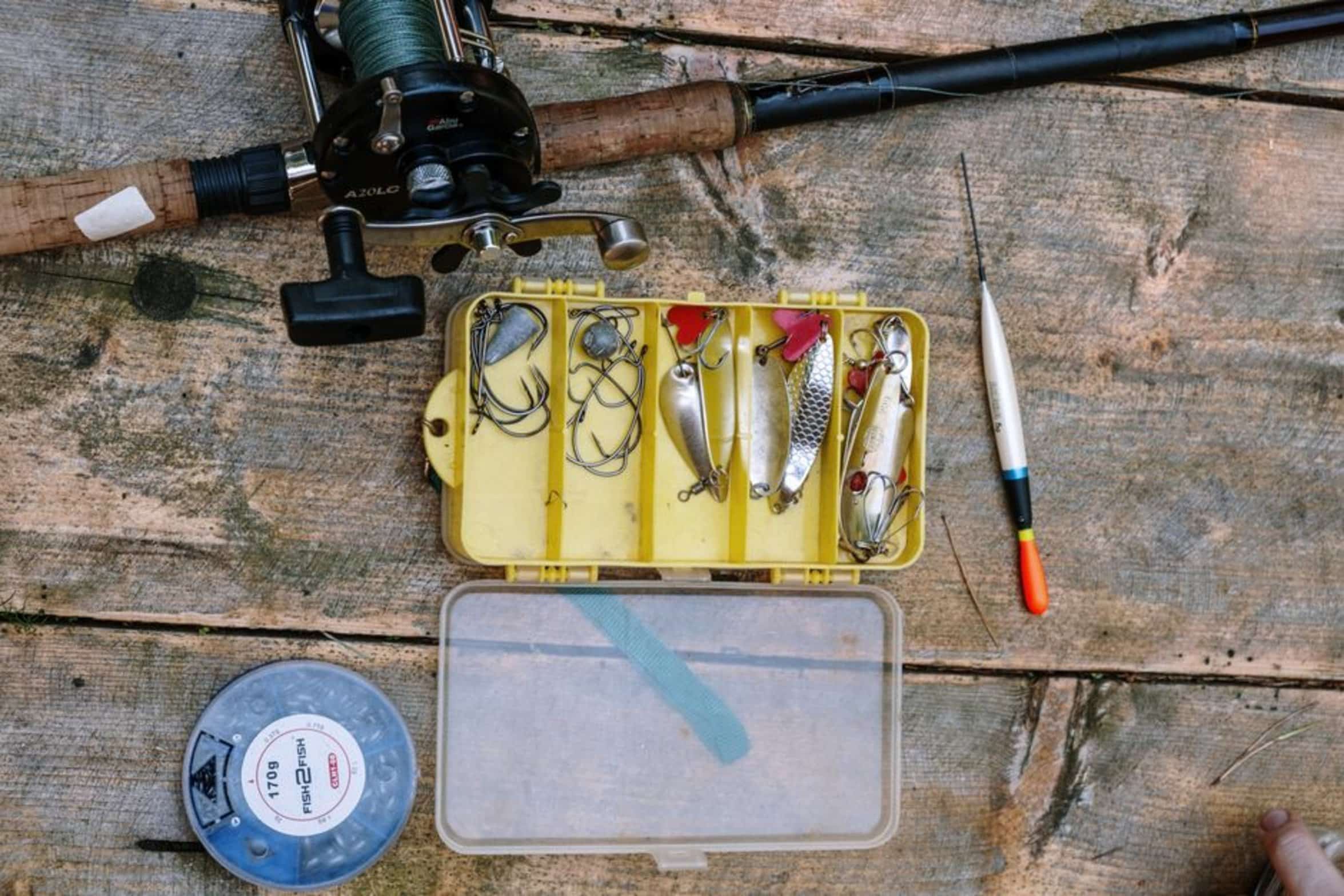
They deliver tremendous amounts of power and direct control. The caveat? Learning curve.
Catching fish that couldn’t care less about how you caught them is worth learning a mechanical device infamous for backlash. This is about line control. This is where the case begin for a baitcast reel for catfish fishing.
Precise Bait Presentation Control
Inertia can be your enemy when you’re lobbing a big ol’ hunk of cut bait or chicken livers on a weighted rig. Loose line shoots off spinning reel when you make a cast. With a baitcaster your line stays snug up against the spool during the whole process of making a cast.
Then the bait connects with the water with force. There is no slingshot line stretch. It is just a direct connection from reel to lure.
And that’s important; catfish are bottom feeders, and they feel vibration. It is better to sink the bait tightly so it does not tumble or drag in the current. That makes it look alive which gets the fish taking the bait quickerer.
Torque and Power for Big Fish
The second big thing is torque. Catfish will make hard runs and they’re good swimmers. Because a spinning reel has a fixed spool, its gear ratio is set by design.
Because a baitcaster has a rotating spool, it can has higher gear ratios that also give more torque. As your reel handle turns on a baitcaster, you’ll feel how much power it’s putting into the line. It’s like riding a bike with large gears versus small ones.
The bigger gears lets you cover more distance with each revolution. That tires out the fish quicker. And this is important when you get a big channel catfish or a blue catfish on the line out in open water.
The added muscle keep the fish off of cover and reduces the chance of the line breaking against submerged rock or log cover.
Managing Backlash with Brake Systems
The backlash thing is a legitimate concern and something that could freak you out. Backlash occurs when your line comes off the spool quicker then it can roll back onto the spool.
This results in a tangled mess. Moddern day baitcasters come equipped with either a centrifugal brake or a magnetic one. Adjust these brakes based on how much you want them to slow down your lure.
So if you’re fishing a light rig, you’ll need more brakes and vice versa for a heavier rig. But you don’t need to master this for dainty lures because you’re throwing big weights. Practice will handle the rest and trust me, the braking system will do most of the work for you.
Throw a handful of casts in a bucket and within ten minutes you’ll know more than you could of ever read from forum posts for ten years.
Line Capacity for Deep Fishing
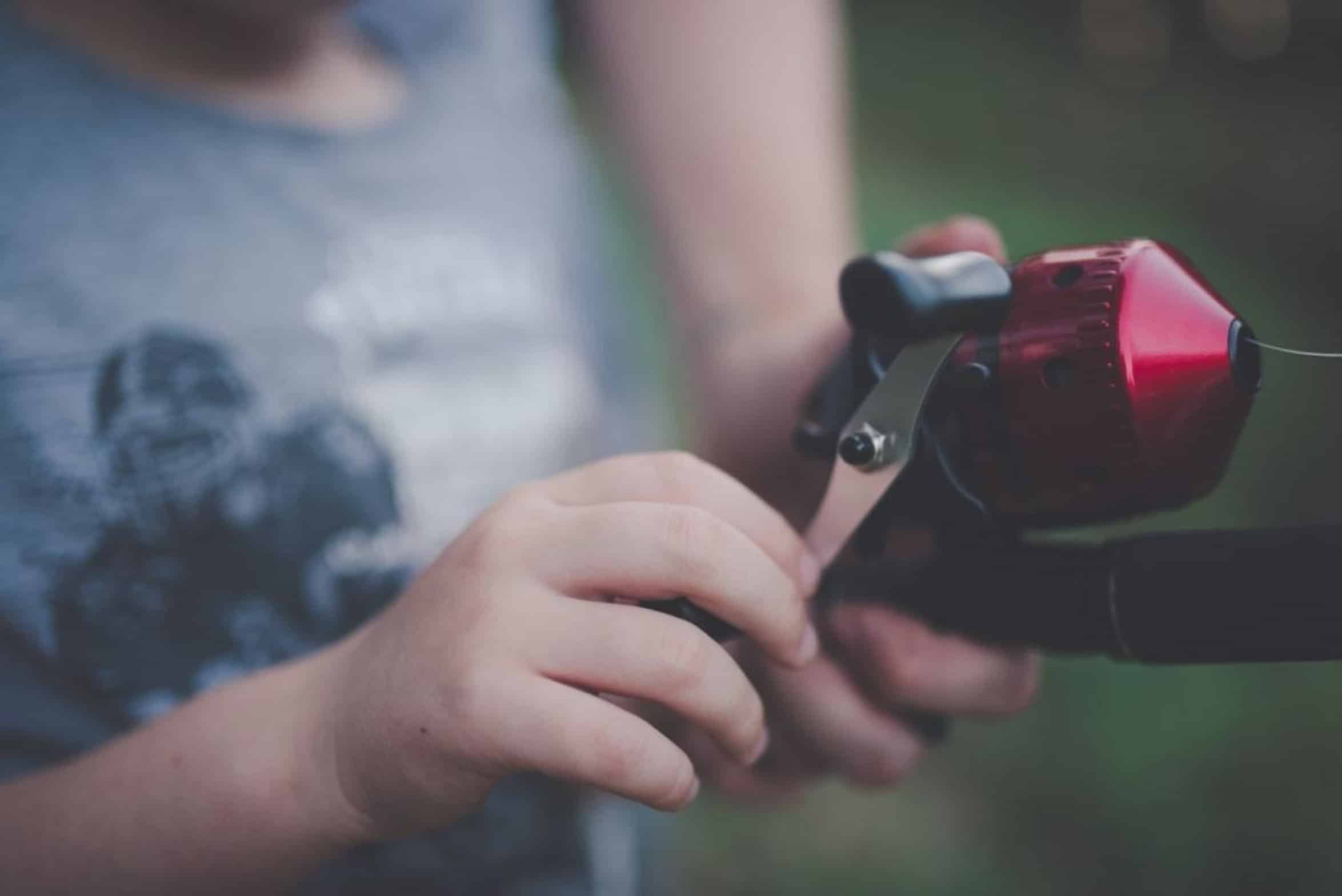
Line capacity is another advantage. When we rig up for catfish we use some pretty heavy line sometimes like 16 pound or heavier line.
Heavy line doesn’t fit well into spinning reels. Baitcast reels hold more due to their larger spool size. Now when you go deep fishing you want some line to get your bait down but then also you’d like some left over.
If you’re after catfish out deep on big rivers or lakes, the more line the better. That’s where a baitcaster comes into play with the power to give you a few extra yards of line. And it keeps the line lying down straight on the spool which reduces friction during the retrieve.
Durability and Drag System Strength
Also, the drag system work more smoothly, providing even tension on the fish. Durability is another point. Baitcast reels tend to be more durable.
They hold up better to water and mud getting in them and are overall just built to stand up to being abused. When you’re catfishing, there’s water, bait and mud everywhere. It’s nice to be able to beat on your reel a little and have it keep working.
Your drag system tends to be beefed up more as well and can handle a surge without breaking. Not having a reel break down when a thirty pound catfish wants to make a dash is priceless. It’s worth the effort learning to use a baitcaster.
You have the peace of mind that it won’t let you down. There are those who say there’s no reason to mess around with a baitcaster when all you need is the convenience of a spinning reel. And while I agree they’re simpler to use and don’t have as many moving parts that will eventually need maintenance, that’s where they end up being right.
It’s true; they’re less expensive to replace. But if your goal is catching big catfish, the baitcaster has some features that a spinning reel simply doesn’t offer. It offers control, torque, and sheer capacity.
It is a better tool for the job. And yes, it does have a learning curve. It takes time and patience, but the reward is well worth it.
Is the Learning Curve Worth It?
Is it all worth the hassle? It may not be worth it for folks who are content just catching smaller catfish out of their ponds. For those of us wanting to target some trophy fish, it is well worth it.
And that first time learning to throw this thing won’t last, but you’ll get the rewards from increased power and control from here on out. Not only will you catch more fish with a baitcaster, but you’ll also land bigger ones. After a bit of practice, the frustration of tying yourself into a birds nest won’t bother you anymore.
All that’s left is a much more effective fishing experience. The reel is almost an extension of your arm. This creates a stronger connection between you and the fish making the fight that much more exciting.
To conclude, So how do you decide? Ease of use or performance? If you’re a serious catfish angler, there’s no question.
When it comes to battling the largest fish, the baitcaster gives you what you need. You have the power to out-duel the big ones. You have control to make pinpoint presentations.
You also has the ability to get the job done. So pay the tuition, embrace that initial learning curve. In fact, looking back on all those snarled casts will cause you to smirk with pride.
And then you’ll go cast some more. And cast some more after that. And before long, the fish will follow.