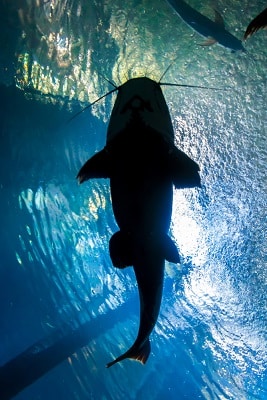
You finally hook one. A dinner-plate-sized channel catfish makes its run, dives, and flexes your rod tip until your fingertips feel like jelly. Then it pulls harder than you think a fish this small should of.
It bends your rod tip all the way back to the snap-off point, a sound that feels personaly. Catfish is deceptively strong fish for their size. Whether they’re hooked by an expert or a beginner, they pull with enough momentum to overpower what might appear as strong tackle on the rack.
Catfish are bottom-dwellers with mouths made for sucking rather than biting hard. If they want to, they will suck and pull, pulling harder then you’d ever expect from such a little sucker. Whether your rods lasts through these encounters or become kindling has everything to do with engineering decisions made by manufacturers behind-the-scenes.
Buying the thickest blank available isn’t necessarily the answer. You can have a beefy rod, but if it doesn’t bend right, it is going to feel like dead weight in your hands. You won’t be able to set the hook well or feel those small bite.
Anglers continue to come back to the same rods for a reason; there’s some common DNA between them all. They’re sensitive yet durable and they can absorbs the shock of a fight without losing control. So what is the sweet spot?
It’s not necessarily found by reading the marketing hype; it comes from knowing how hardware performs in the water. It’s about a tool that protects your investment yet also respects the fish. These are solid workhorses and we’ll go through some of the details that make up those attributes in the next few sections.
Key Features of Durable Catfish Rods
The Deceptive Strength of Catfish
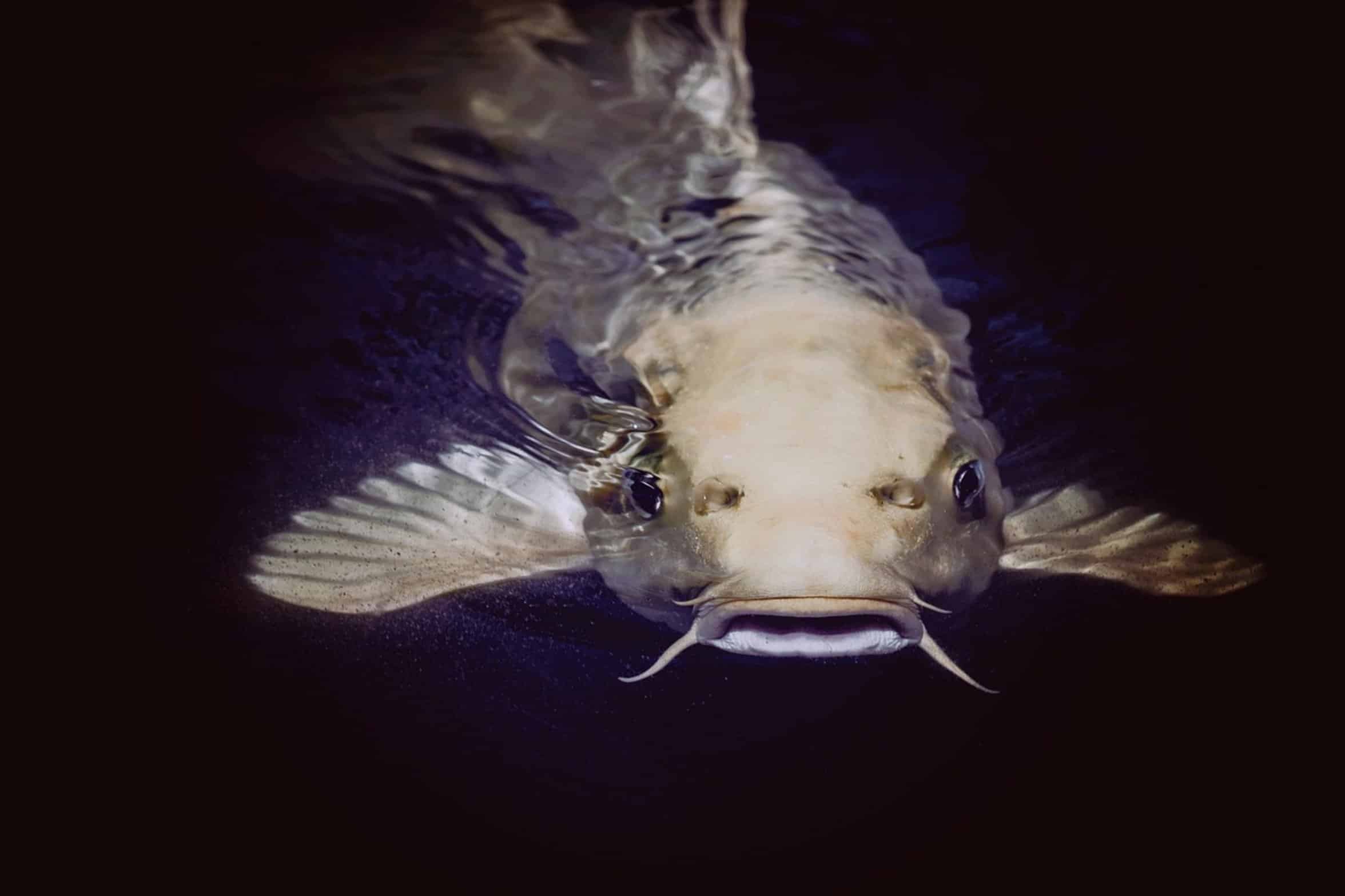
Whether you toss them in the trash or leave them in the boat hinges on everything from handle design to the materials in the blank. Fiberglass is still king when you’re looking at durability with a catfish rod. The heart of any good catfish rod is its blank.
Why Fiberglass Blanks Are Best
Graphite is light and sensitive but can be brittle when put under the constant pulling and jarring forces of big blue cats and flatheads alike. Fiberglass has a natural elastic flex that stretches and rebounds. That gives it a shock absorbing quality.
When you think about a big blowup on your line there is a sudden spike in load. That shock gets absorbed by rod and doesn’t transfer directly into the line and rod eyelets. It also isn’t simply a matter of breaking strength.
It’s a question of how it absorbs and transfers energy. A quality fiberglass blank will return the energy to the fish instead of holding onto it until it breaks. It feels alive.
Fast Action for Hook Setting
Another important element makes a rod a truly specialized catfish rod rather than just a general purpose one. That element is its level of action. Typically all catfishing rods are built with an extra-fast or at least a fast action rod.
That means the rod will bend in the top third mostly. This gives you enough power to pull them back up out of deep channels or heavy cover situations. If you’ve fished any type of finesse technique, you know how well a slow action rod work.
However, it doesn’t have the backbone to deliver enough force to drive hook point into the back of a hard mouth full of cartilage. The power of a fast action rod comes from the tip. When you hit the fish hard, the rod’s tip transfers movement of your wrist directly into driving the hook home.
And that instant of effectiveness can be the difference between keeping the fish buttoned up or having her bust loose in a heartbeat.
Handle Length and Leverage
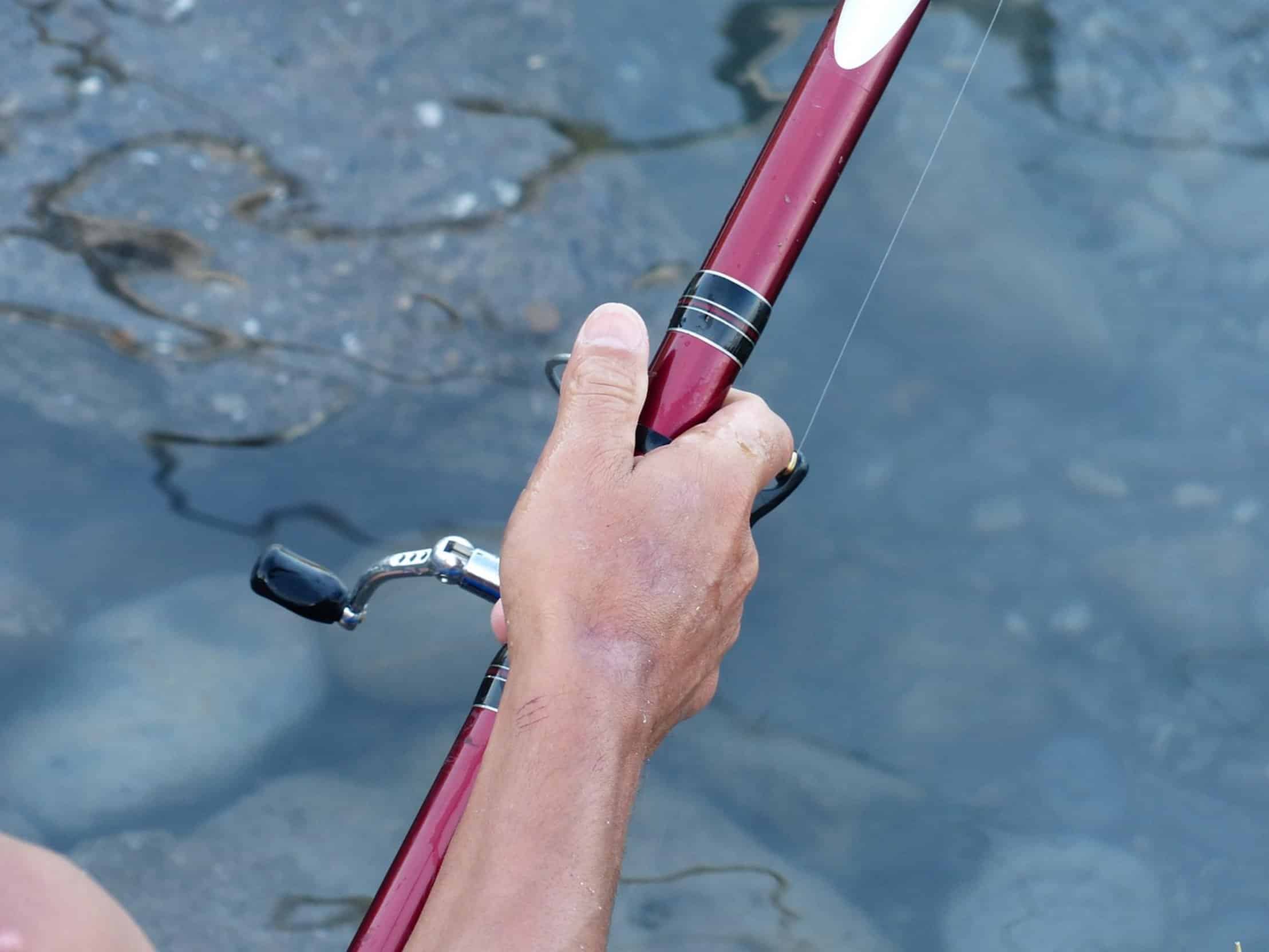
The length of the handle matter when it comes to controlling a fish in close quarters, even if it seems odd. When the rod is loaded up with a fish, having a longer handle gives you a much more comfortabley place to pump while providing more leverage.
Most high-end catfish rods has longer handles. This allows you to get a better grip further down the handle, maximizing your power throughout the fight. This is incredibly important if you’re fishing from a crowded boat or are stuck standing on a bank.
Having those extra few inches will provide you with the leverage necessary to wear out the fish without putting all your power into your arms, making it more of a doable task different than an excruciating grind.
Reel Seats and Guide Quality
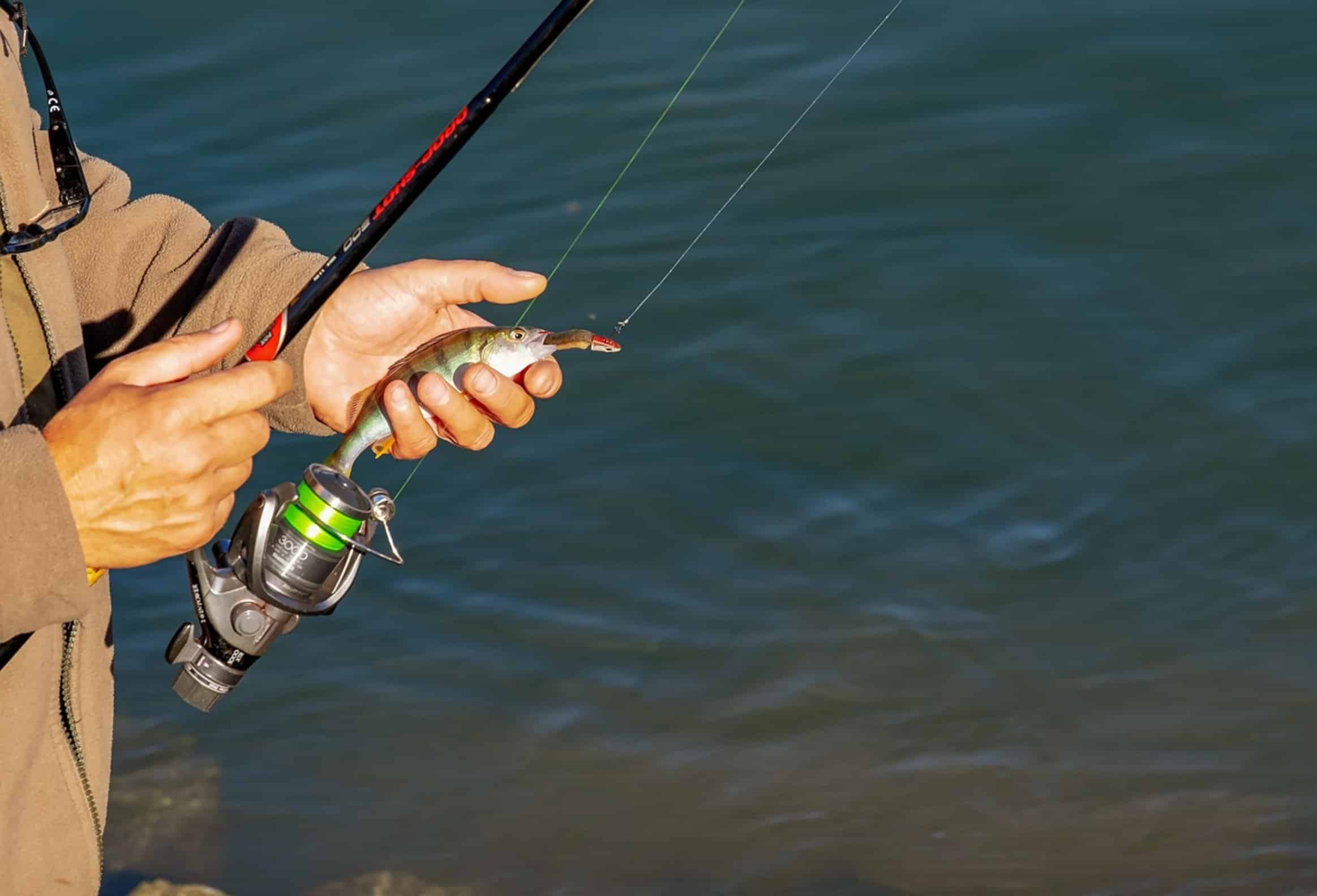
The reality about how rods are built is that the reel seat and guides often reveal the true build quality of a rod. Plastic inserts tend to crack and even strip out from the rod on cheap rods subjected to big drag.
The ones that last year after year has stainless steel or aluminum oxide reel seats that lock tightly and securely. Another area of stress are the guides. Good rods have high quality ceramic or hardened stainless steel inserts that minimize line friction and wear.
Heat caused by friction weakens fishing line. Good, smooth-running guides let the line move freely, which decreases the likelihood of a break on the first run. It is a small detail, but it pays off over time.
Weight Distribution and Balance
Fatigue… Weight distribution plays a big role in how the rod feels in your hand for extended periods of time. Because catfishing can be a waiting game, it takes hours being completely still.
Any kind of top-heavy rod will tire out your arm and wrist fast, resulting in missing strikes and sloppy casts. Ideally, the best rods have an even balance of weight from the handle to the tip. They’ll often use lighter materials towards the top to offset heaviness of the reel.
This balances the rod and makes them feel lighter than they are. When patience is your main weapon, you don’t want to remember you’re holding one.
Budget vs Premium Rod Investment
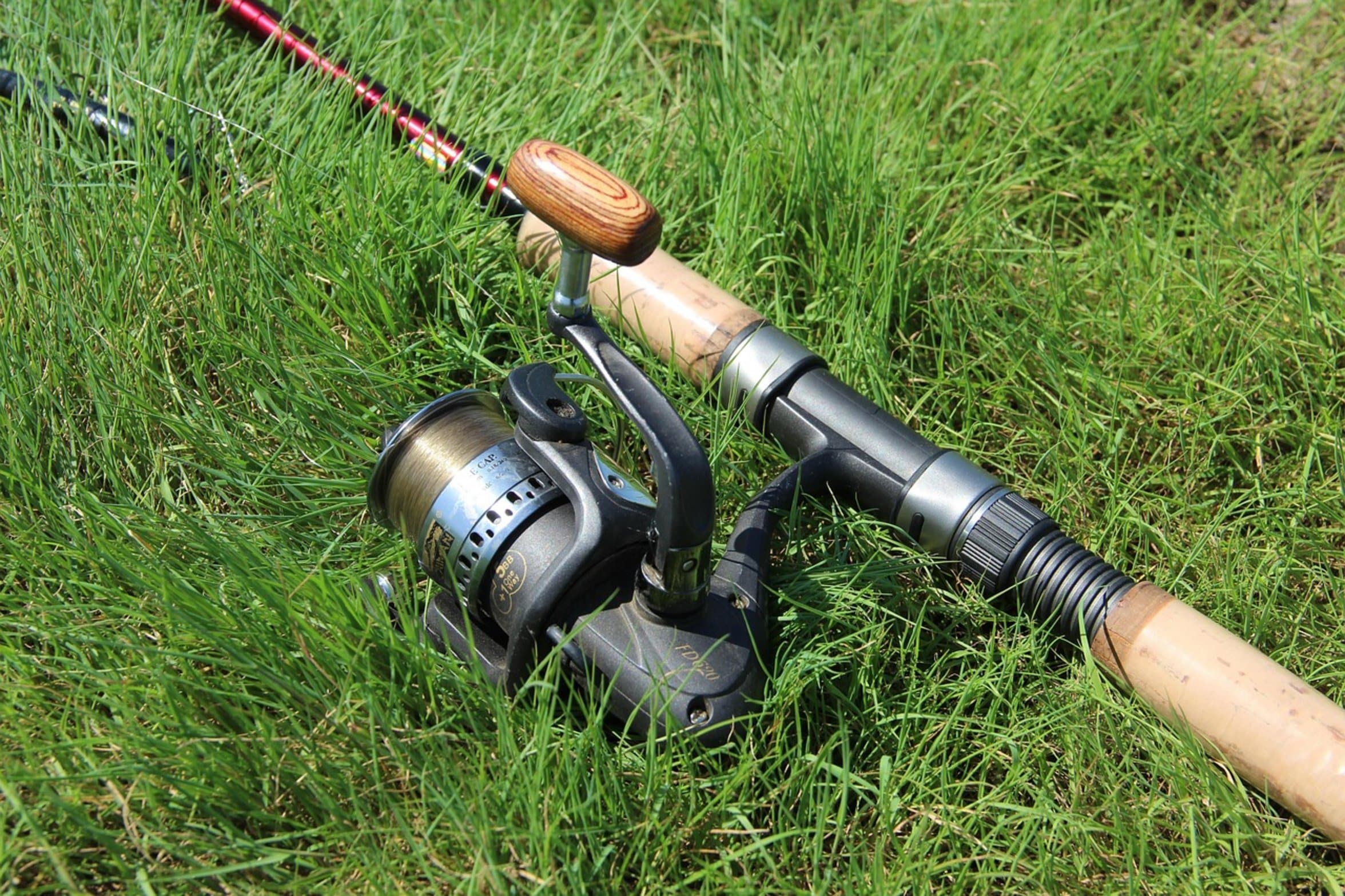
These characteristics are typically reflected in price.
Most budget rods appear identical. Most skimp out where they shouldn’t, such as with the inserts in their guides or the resin that binds the fibers. Typically paying a few extra bucks up front will get you something from a trusted brand that stands up to the punishment of the river for years.
It is an investment in reliability. You never know when the big one’s going to bite but when he does you want your gear to respond as expected every time. A good rod doesn’t just catch fish.
It makes the experience fun. It turns what could be a break-off into a story worth telling.