Ever fight a big ole blue cat? That’s when you are holding onto your rod and it doubles over. Your line comes screaming back on the reel, and that’s usually where your day of fishing end … all frustrated.
But it isn’t normaly the rod’s fault. More than likely, you’re using a stout rod. But your reel simply can’t takes the line and torque for those big cat.
How to Match Rods and Reels for Catfish
The Mechanics of Rod and Reel Balance
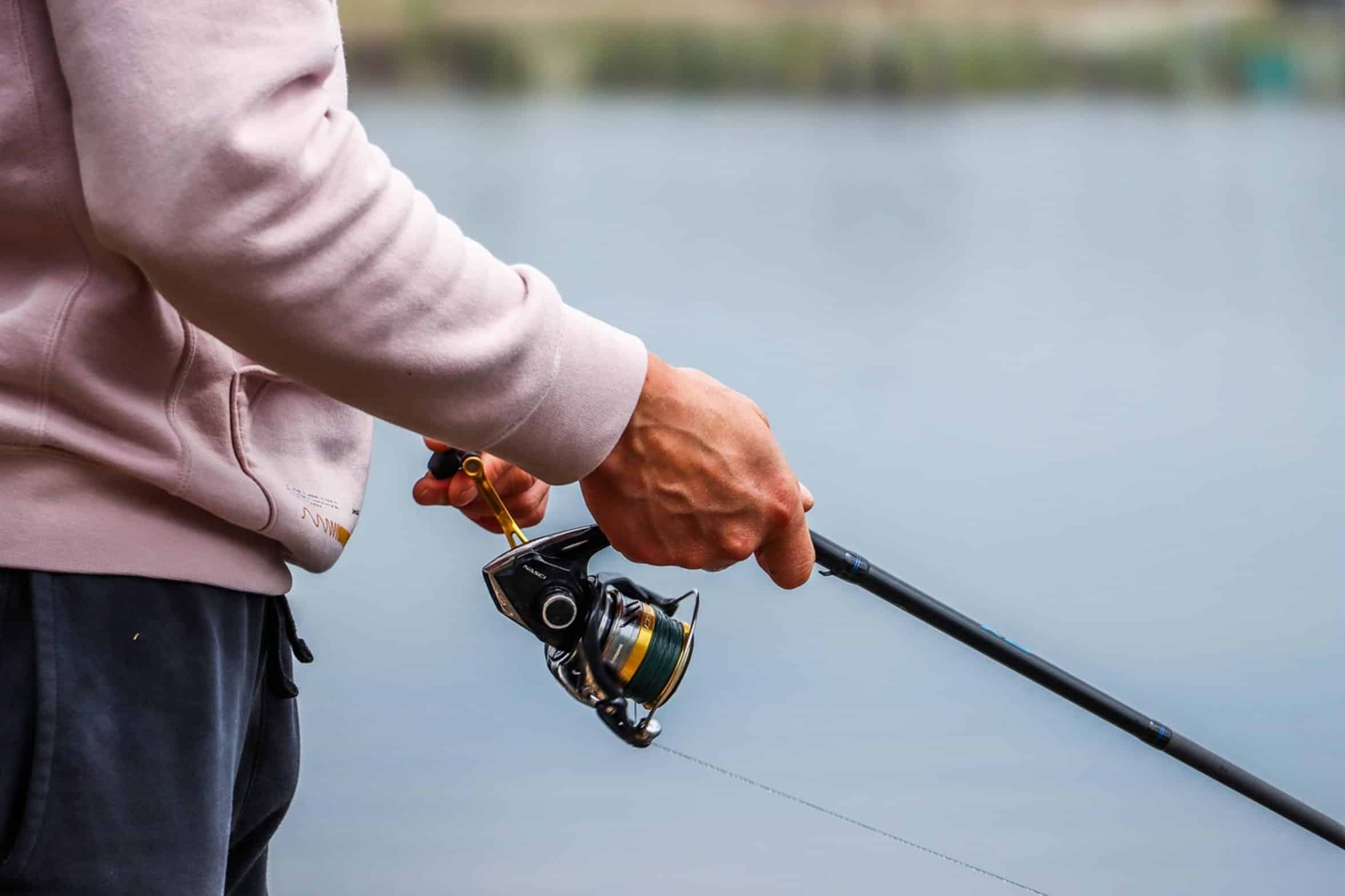
Catfishing reel and rod matching is a matter of leverage and physics. It means not breaking your line before they makes their first run. Most of us purchase rods and reels separately.
We pick out a rod because it’s powerful or light or sensitive, then we get a reel that will fit our guide. The fact is there is a mechanical relationship between the reel and the rod. They can work together when balanced, or they can fail to do so.
That’s where you win or lose the battle. To understand what’s happening, you must first understand how the reel and the rod relate. What happens if the reel is too big for the rod?
Balance is thrown off. Casting becomes hard and fighting the fish tiring. How about if the rod is too heavy for the reel?
It again throws balance point off. You will notice this with an awkward feel in the hand and tired arm after a long fight. You want that center of gravity to be right in the palm of your hand.
Choosing the Right Drag System
With a reel that feels like it weighs nothing, you are already starting behind before making a cast. The drag system. A catfish reel’s drag system is the most critical aspect.
Catfish will explode off the bottom sudden, stripping yards of line in mere seconds. You need a smooth drag. Reliable drag systems that can stand the test of time come from brands like Shimano and Daiwa.
Seek out reels made with multiple carbon fiber washers. Reels like the Daiwa BG series or the Shimano Sedona has these. They provide smooth, consistent drag without heating up.
Gear Ratio for Heavy Loads
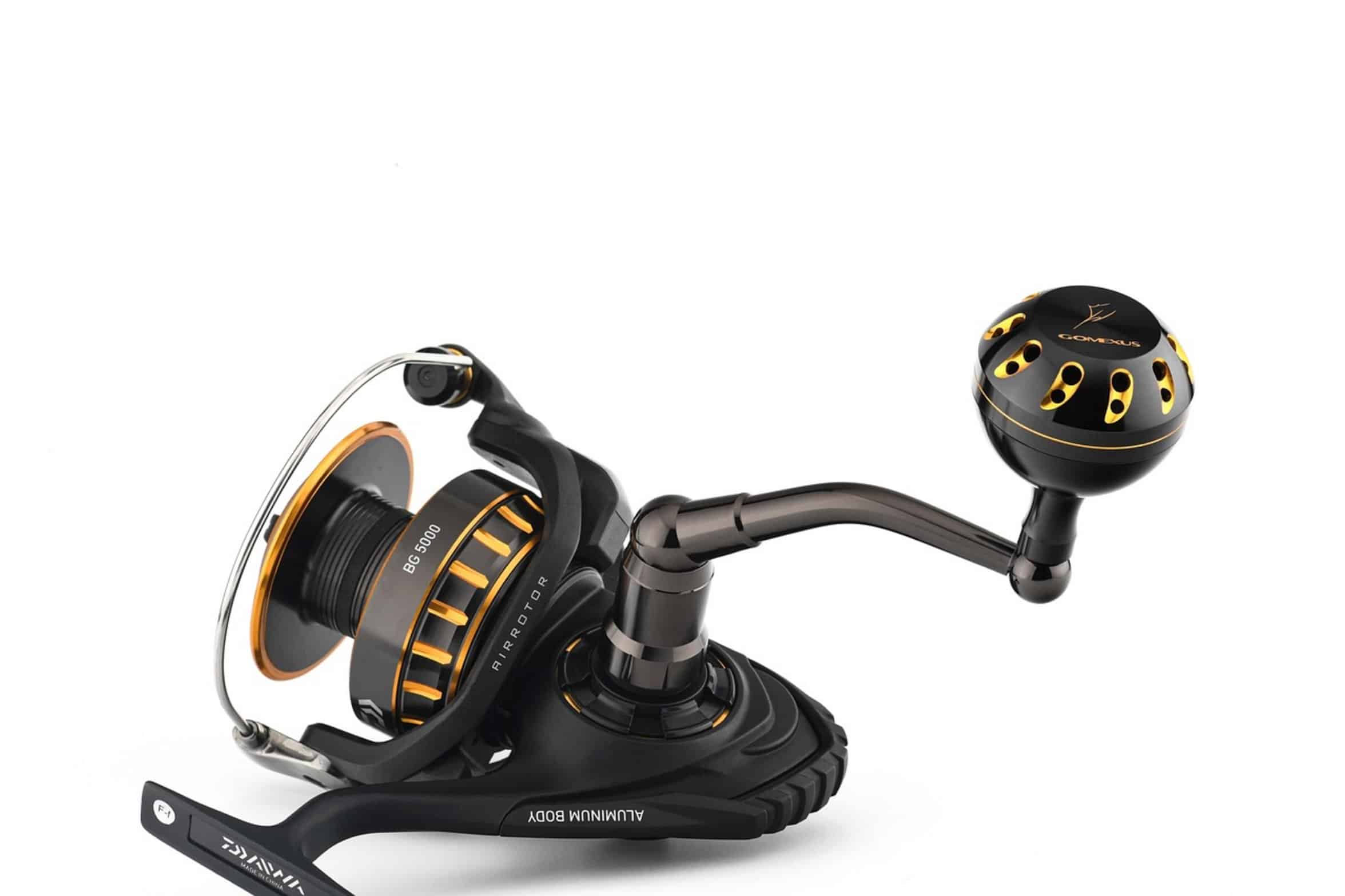
This is important when a sixty-pound catfish is testing the limits of your drag. Gear ratio is an important factor too. The slower the gear ratio, the more torque it have.
When pulling a big fish through the mud, being able to turn the spool easier is good. A fast ratio gets line back quickly but takes more muscle. Typically 4.1 to 1 is best.
You get all the power you need to muscle the fish but don’t tire your shoulder doing so. Remember when fighting a very strong animal control is more important then speed.
Matching Line Capacity to Your Setup
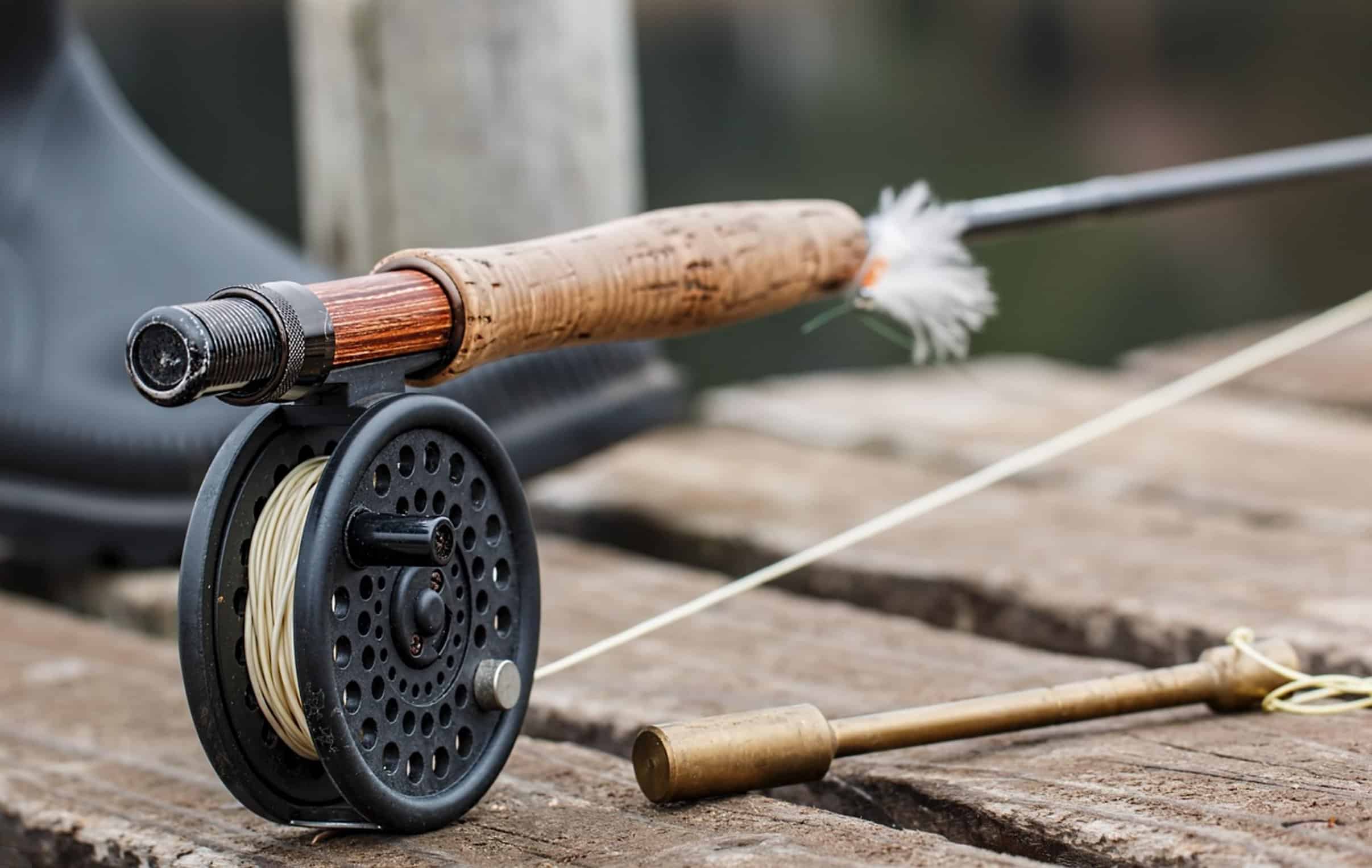
Next, let’s look at where the mismatches fail: line capacity.
When your reel spool isn’t big enough, the inevitable happens. The catfish takes off with the line and before you know it you’re out of line. Then you’re done, broken.
Give the fish some room to go. Enough main line and back on the spool to suck up those first few frantic seconds is what you want. Look at your reel’s line rating on the foot and see how much it can holds compared to what your rods recommend.
For example, if your rod recommends 20 pound test and your reel is rated for 300 yards, you’ve got a problem. You want buffer room. Don’t forget about durability and corrosion resistance.
Durability and Corrosion Resistance
Muddy water and salt water around estuaries are common places we take our rigs fishing for catfish. Anodized aluminum spools and sealed bearings lasts longer. It doesn’t make sense to spend money on a reel that won’t hold up over time.
Companies like Penn make a tough one in their Spinfisher series that will stand up to the wear and tear. As much as power matters so does reliability.
Testing the Combo Before Purchase
Do this before purchasing.
Try it out first. Pick up the combo at a tackle store and see how it feels. If they’ll let you, practice a couple casts.
Press on the reel handle and feel the rod load. Does it feel right? Do your hands say so?
The combo should of feel like an extension of your arm. Go with what you feel; trust your body. That’s the most honest assessment.
Matching your reel to your rod when catfishing shows respect for this powerful animal. It recognizes that there’s some serious business going on here. When everything gels, it becomes a test of skill and the fight.
Confidence goes up, fish go into the boat. Proper matching avoids the heartbreak of a lost catch due to gear failure. So the next time you hit the river, check your balance and make sure your drag is working right.
Ensure your reel can keep up with your rod. That mechanical balance often makes the difference in catching fish or learning the hard way.